
Want to see whales?
Choose RESPECT.
Respectful Whale Watching Tours, Selected by Marine Researchers
Shelltone Whale Project selects whale watching operators that follow the Shelltone Charter, a code of conduct based on 45 years of humpback whale research by marine bioacoustician Pierre Lavagne de Castellan.
Book their tours directly on this site, at the same price as booking with the operator, in the USA, Canada, Europe, the Caribbean and Oceania.


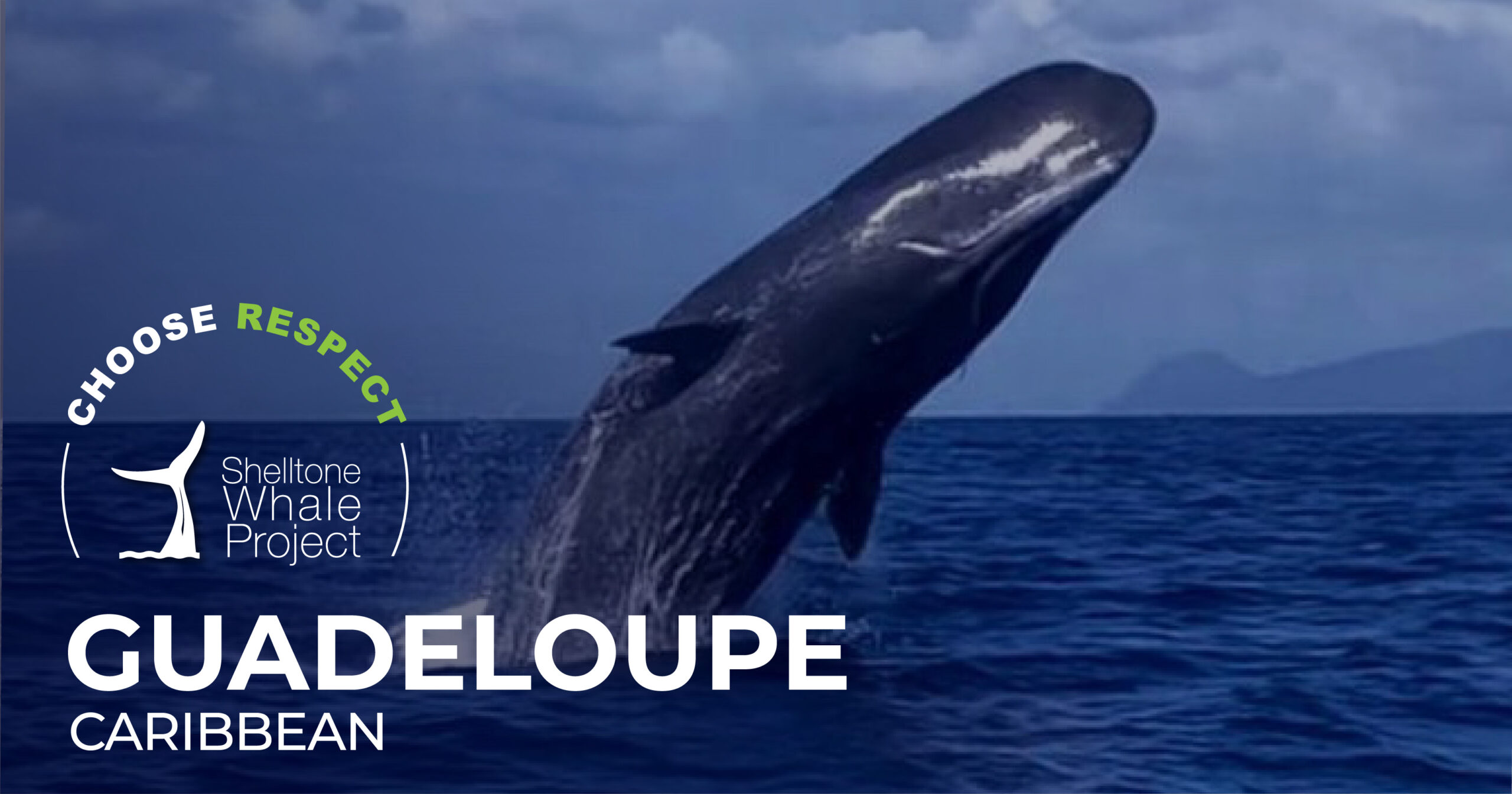
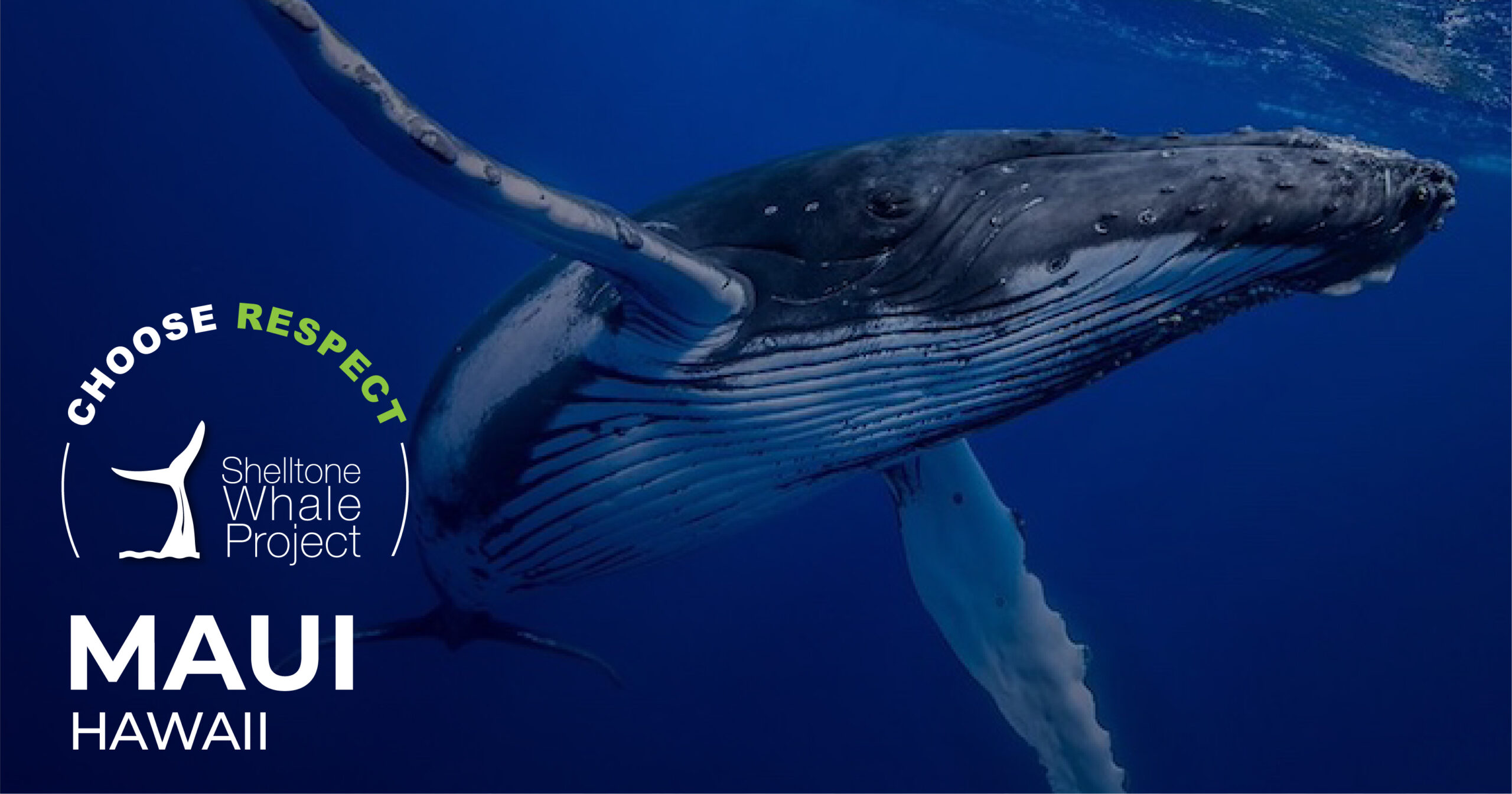
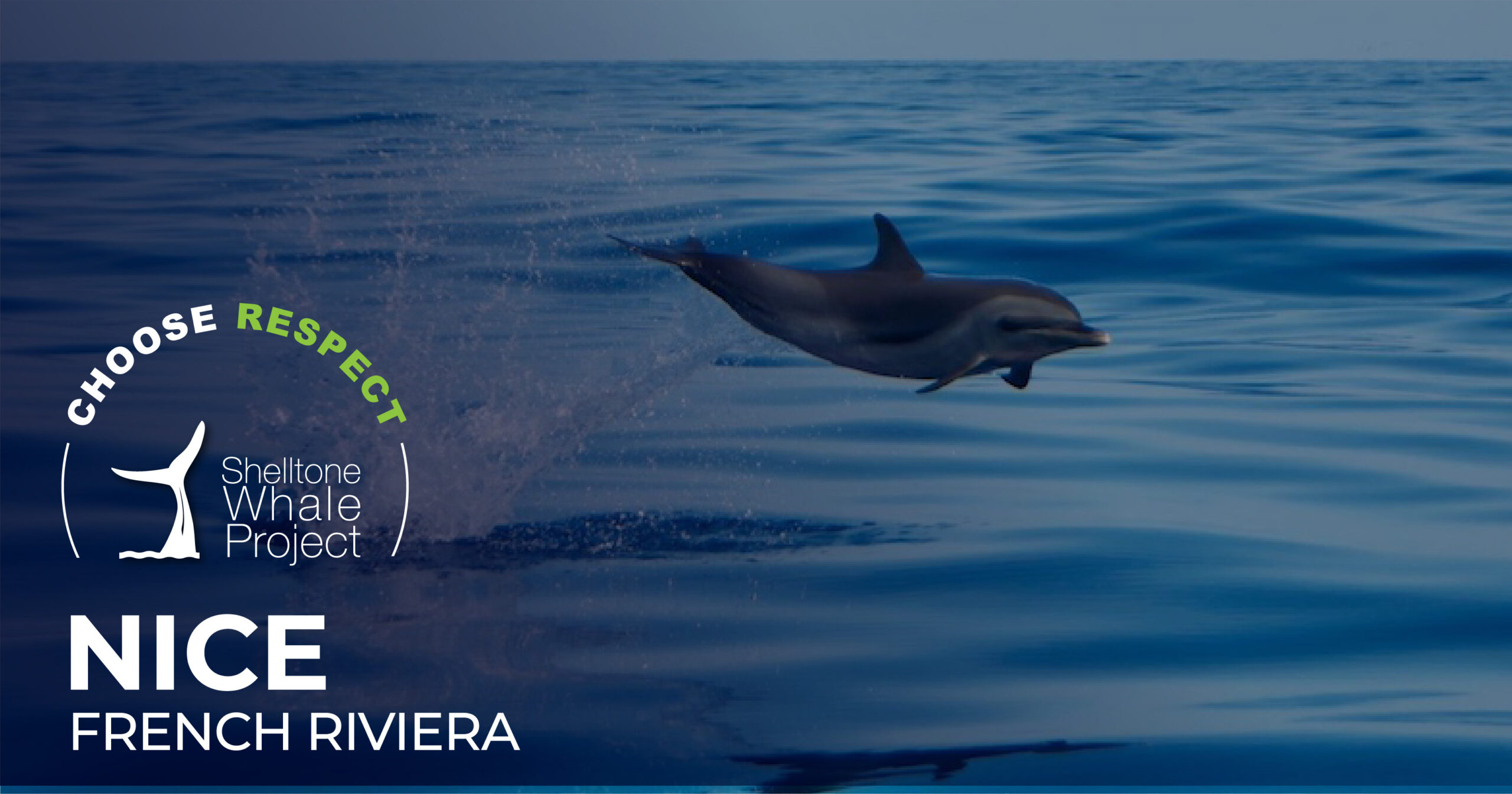
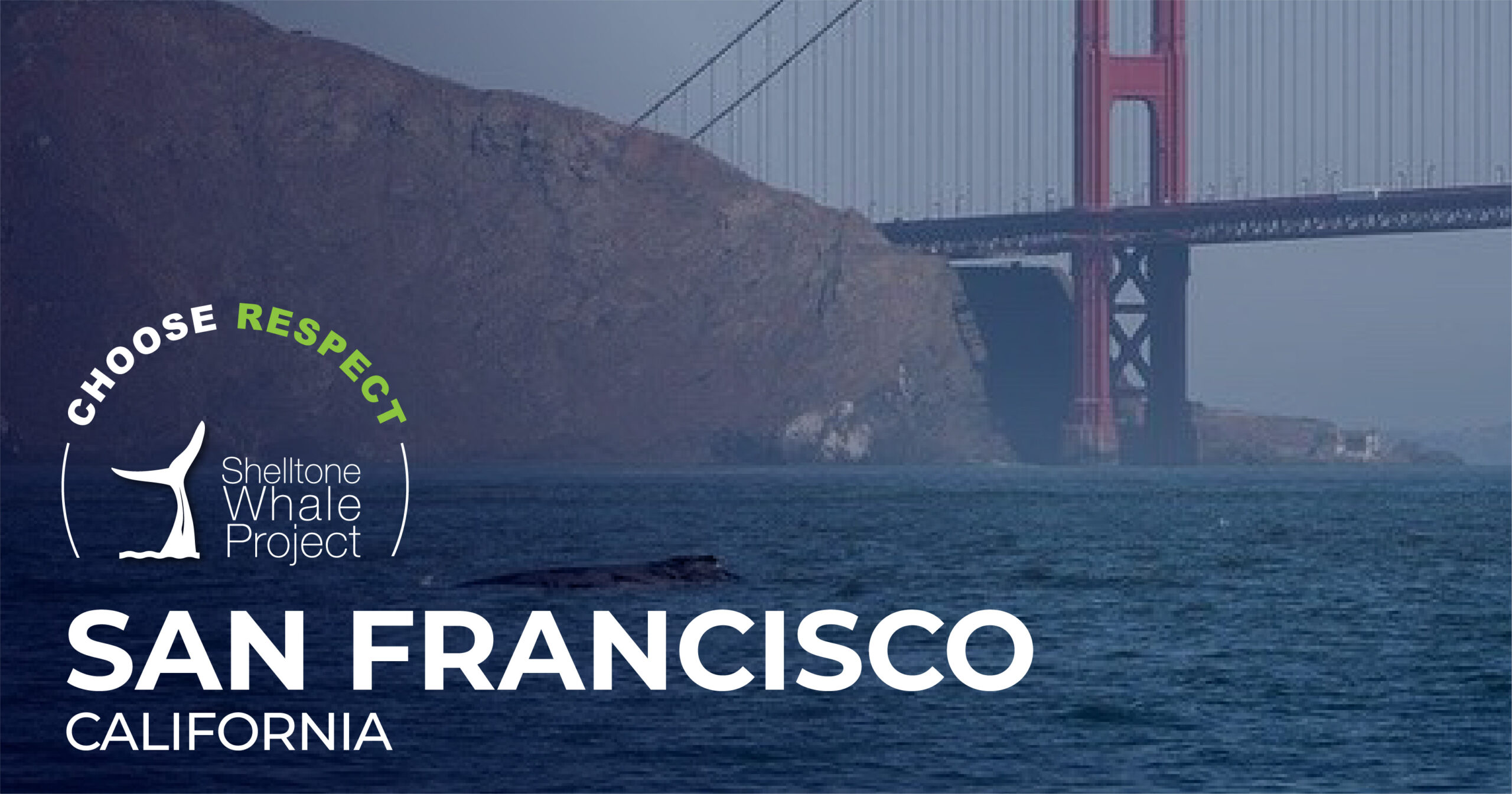
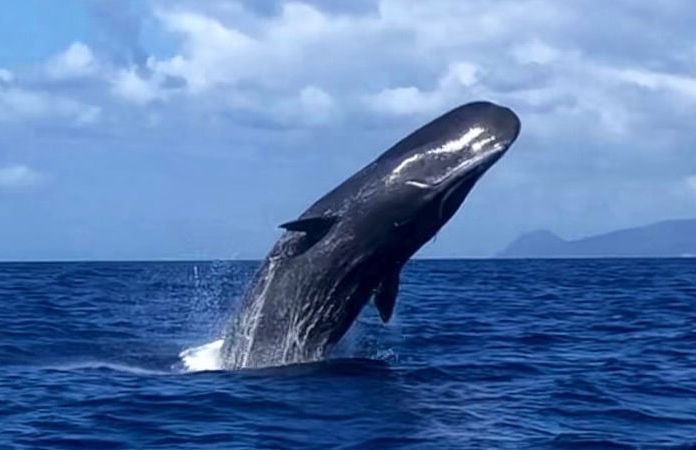
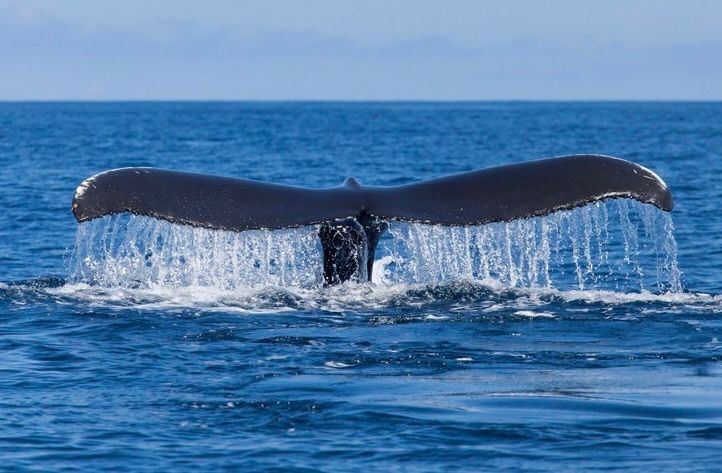
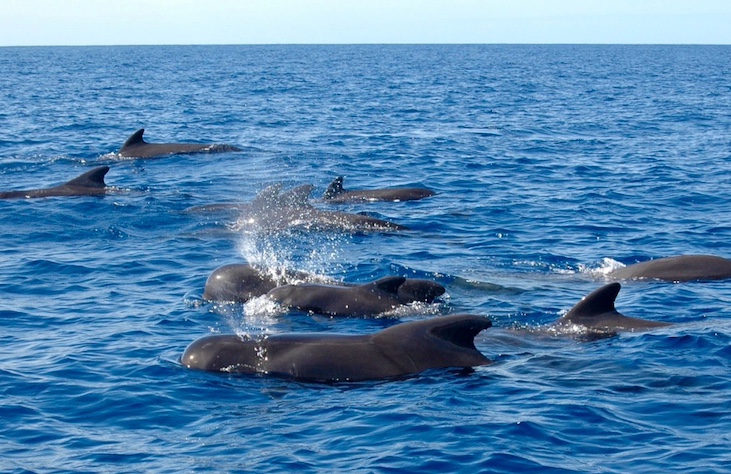

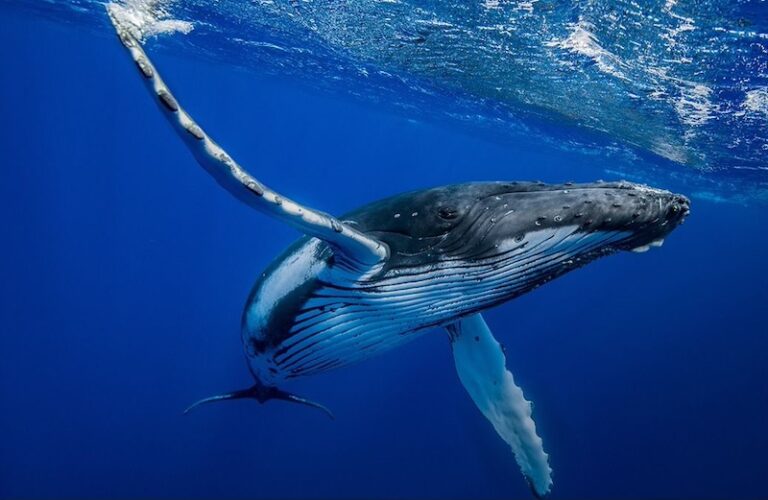
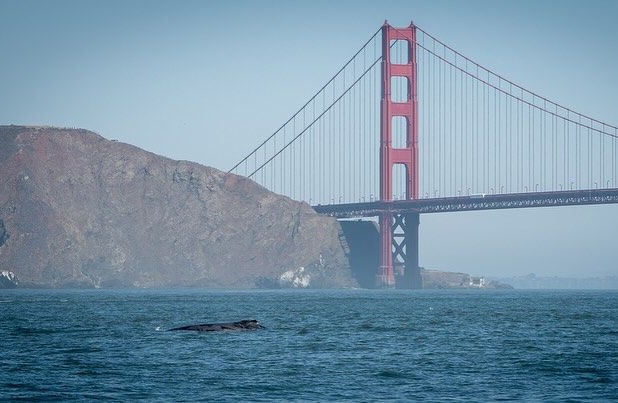
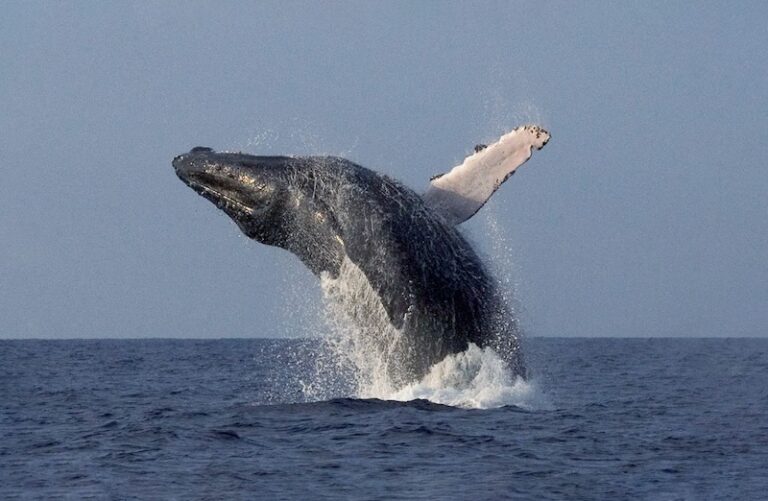
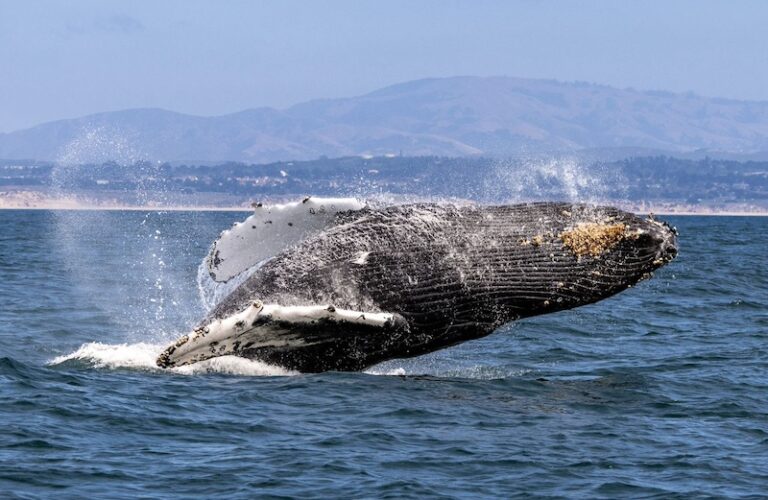


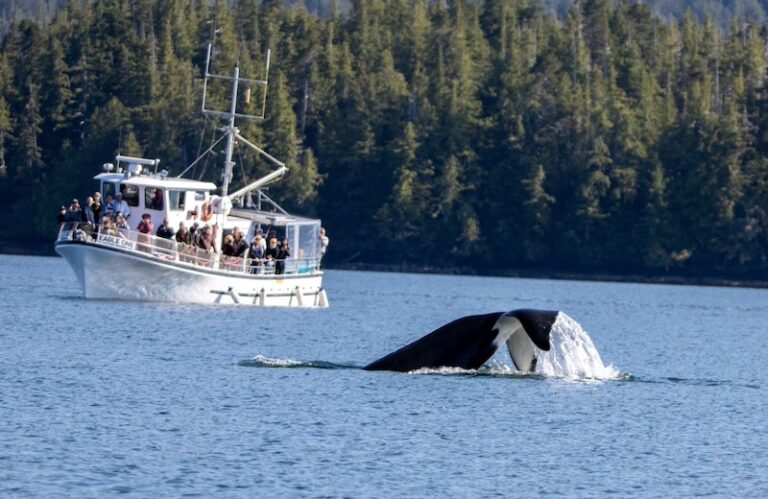
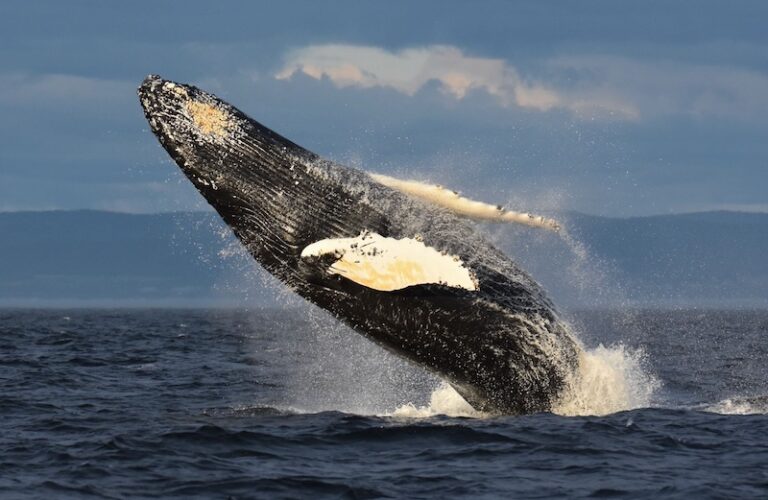
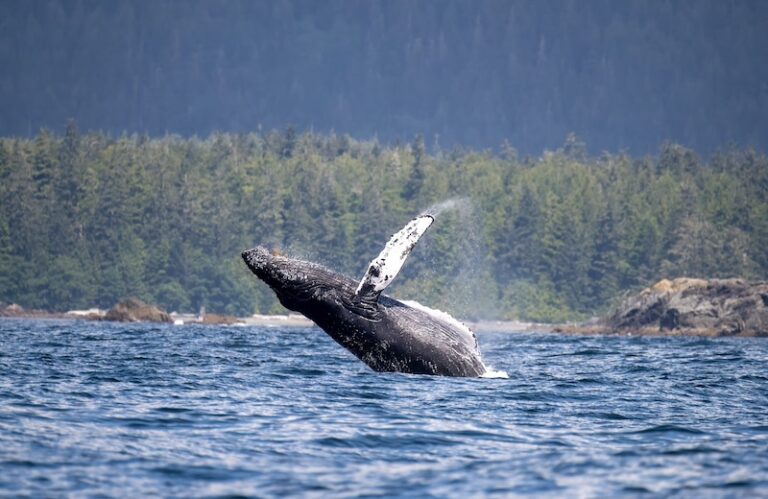
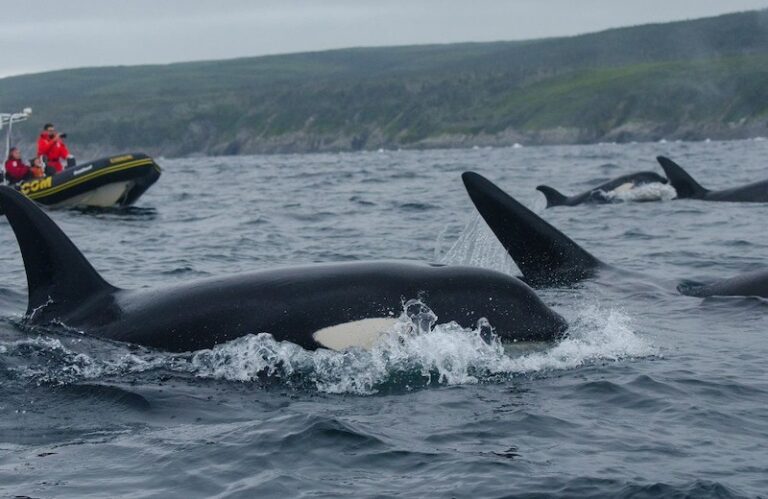




Why Book Your Respectful Whale Watching Tour with Shelltone?
Same price as booking with the operator.
Operators selected under the Shelltone Charter.
Independent: funded by the operators, never by travelers.

From Whale Research to Respectful Whale Watching
Since 1981, Pierre Lavagne de Castellan has studied humpback whale communication and behavior, starting in Maui, Hawaii. This field research led to a method: approaching whales without disturbance and reducing stress responses in cetaceans.
A respectful, non-intrusive approach also increases the chances of observing whales: a respected whale shows fewer avoidance behaviors and tends to remain calmer and more relaxed in the presence of the boat.
Today, this method guides every Shelltone Selected Operator.
45 years of research behind respectful whale watching

The Shelltone is an underwater musical instrument developed with Stanford University and École Centrale de Nantes to communicate with humpback whales.
What has been done
- 1981: Pierre Lavagne de Castellan, marine bioacoustician, begins his research on humpback whale communication in Maui, Hawaii.
- 2013: Recognized by the French tax authorities as an organization of general interest for its scientific work and the protection of the natural environment, including the creation of a charter for approaching marine cetaceans. Read the official ruling (PDF)
- 2014: First Shelltone base opens in Guadeloupe, in the Agoa Sanctuary, with a partnership with the French Agency for Marine Protected Areas (now part of the French Office for Biodiversity).
- 2017: Co-author of L’animal est-il l’avenir de l’homme ? (Éditions Larousse).
- 2020: Lecture at the Cité des sciences et de l’industrie, Paris, for World Animal Intelligence Day.
What is happening today
- A research base in Cadaqués, Spain, dedicated to non-intrusive cetacean observation applied to whale watching.
- Invited in 2026 by Bénin Tourisme, Benin’s national tourism agency, to assess the potential for respectful whale watching along the country’s coast.
- A worldwide network of Shelltone Selected Operators.
Independent by design: funded solely by a commission paid by the operators, never by travelers, with no public subsidies, no donations, and no sponsors.
The problem of abusive whale watching
Whale-watching activity has grown significantly worldwide over the past two decades, increasing pressure on cetacean populations in high-traffic areas.
The Shelltone Whale Project defines a new standard for human–cetacean interaction.
A more respectful approach. A more attentive presence. A more natural encounter.
The Shelltone Charter: Our Rules for Respectful Whale Watching
Every Shelltone Selected Operator follows the Shelltone Charter, written by Pierre Lavagne de Castellan:
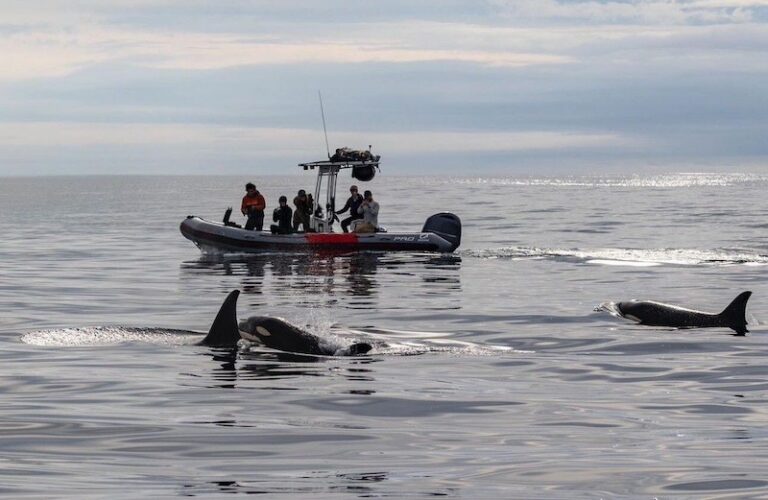
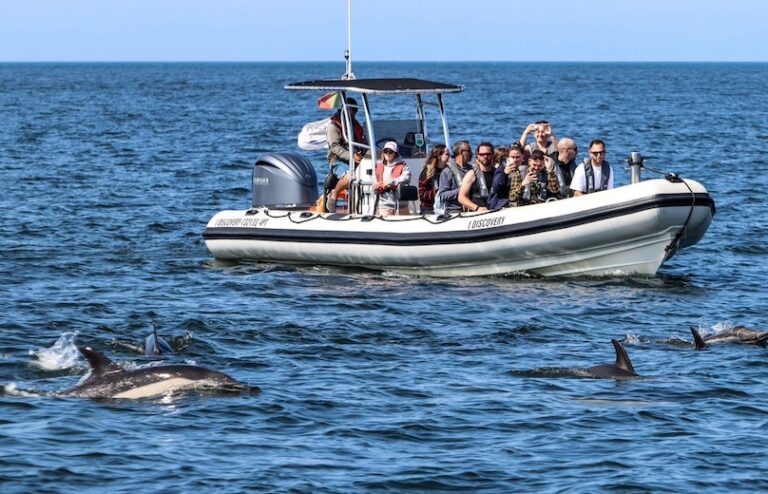
- A minimum distance of 100 meters from whales
- A maximum speed of 5 knots near the animals
- No sonar used to locate whales
- A 45-minute limit with each group
- No approaching mothers with calves, no pursuing feeding whales
- Boats travel parallel to the whales, never across their path
Observing whales and respecting them are not opposing goals: a respected whale tends to remain calmer in the presence of the boat.
Beyond these baseline rules, the Shelltone team applies finer evaluation criteria, specific to each destination and refined through 45 years of field observation, such as positive restraint: choosing not to approach when observation could interfere with the animals’ natural behavior, and explaining this choice to passengers.